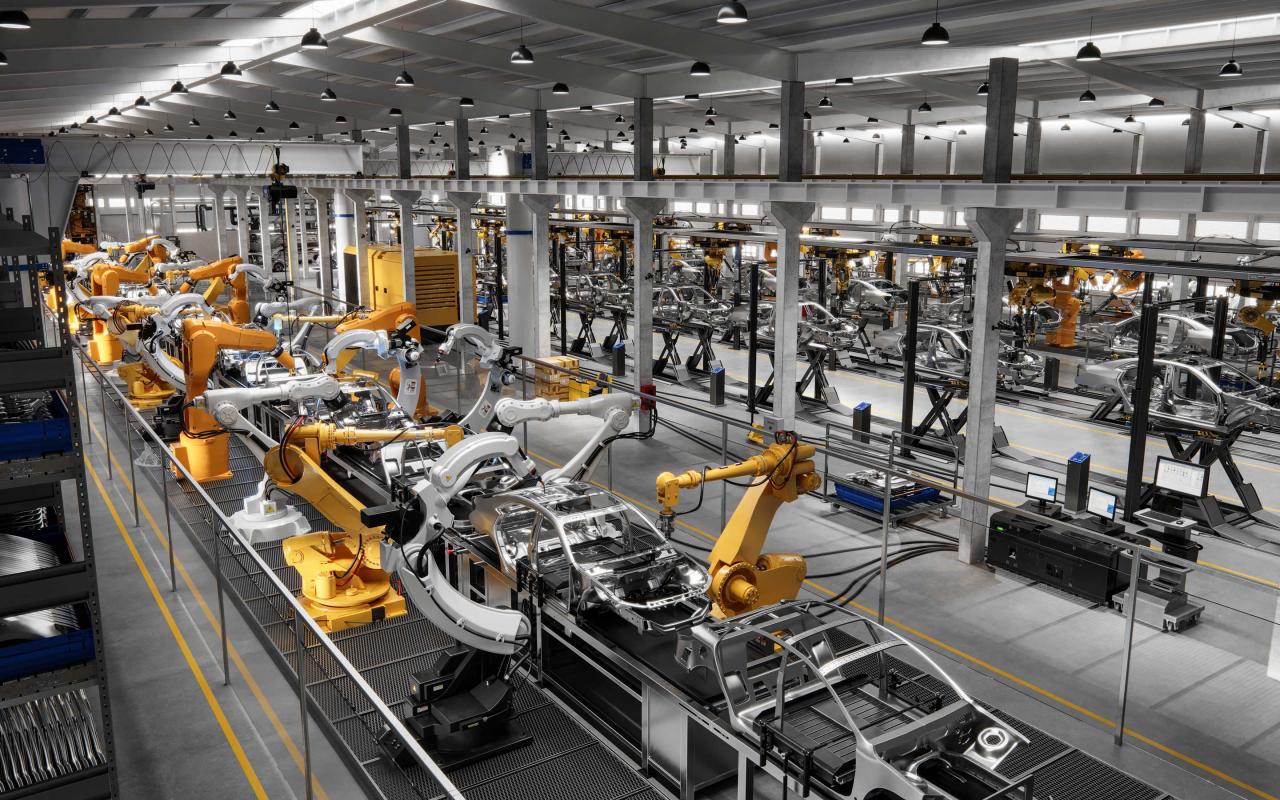
The concept of the Smart Factory, the operational heart of Industry 4.0, represents the most significant transformation in manufacturing since the assembly line. It is not merely a collection of automated machines but a fully interconnected, context-aware, and self-optimizing production system. This evolution, driven by the convergence of the Industrial Internet of Things (IIoT), Artificial Intelligence (AI), Cloud Computing, and Big Data analytics, is fundamentally redefining how goods are made. For businesses focused on maximizing output, minimizing waste, and ensuring high returns on investment (ROI) necessary for high-yield Google AdSense and SEO performance, understanding and implementing the Smart Factory model is the paramount strategic imperative. This comprehensive analysis details the foundational technologies, operational benefits, strategic advantages, and crucial implementation steps for leveraging Smart Factories to achieve peak production and maximized profitability.
I. Foundational Technologies Driving Smart Manufacturing
The intelligence of a Smart Factory is derived from a tightly integrated technological stack that bridges the gap between the physical production floor and the digital planning world.
A. Industrial Internet of Things (IIoT)
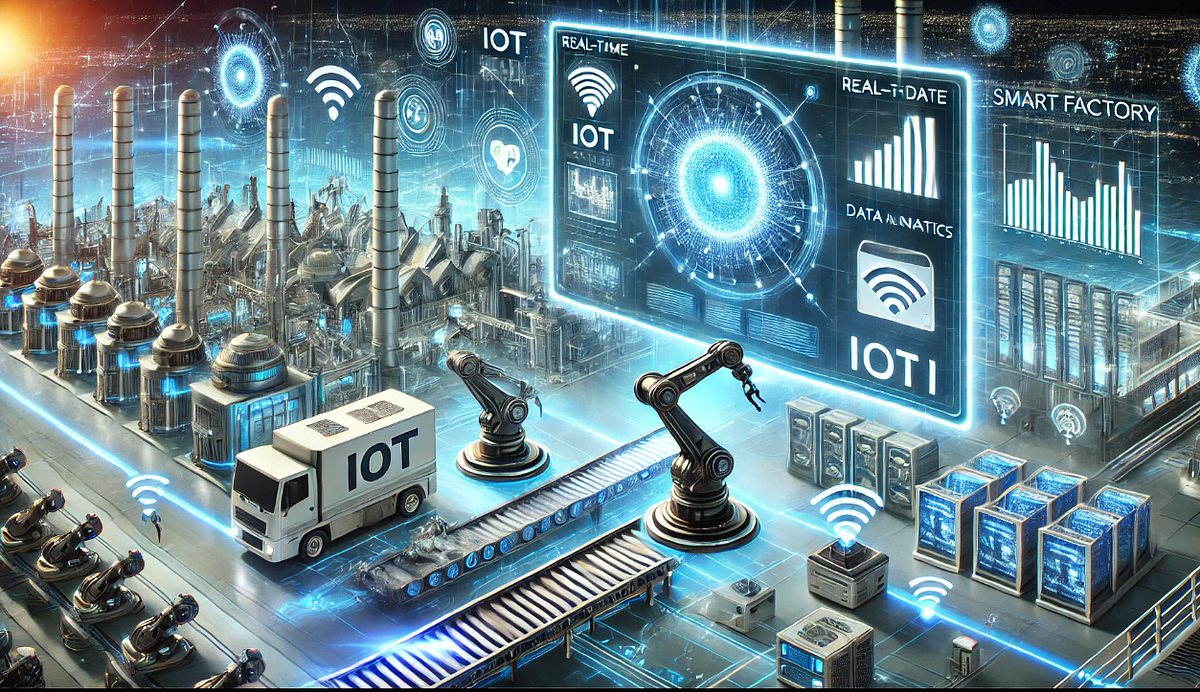
The IIoT forms the nervous system of the Smart Factory, connecting every machine, sensor, tool, and product.
A. Data Acquisition and Sensing: Millions of sensors—measuring temperature, vibration, pressure, energy consumption, and product quality—are embedded throughout the plant. These devices constantly collect granular data, turning physical processes into quantifiable digital streams.
B. Edge Computing Integration: To handle the massive volume and velocity of this data, Edge Computing is crucial. Processing data locally, near the source (the “edge” of the network), allows for real-time decision-making, such as instant adjustments to machine settings or immediate quality control interventions, without the latency associated with cloud transmission.
C. Seamless Connectivity (5G and Wi-Fi 6): The reliable, low-latency, and high-bandwidth communication provided by private 5G networks and Wi-Fi 6 within the factory floor is essential. This robust connectivity ensures that control systems, robots, and human operators can communicate instantaneously, preventing bottlenecks and guaranteeing synchronous operations.
B. Artificial Intelligence and Machine Learning (AI/ML)
AI transforms the raw data collected by the IIoT into actionable intelligence, enabling the factory to learn, predict, and optimize itself autonomously.
A. Predictive Maintenance (PdM): Instead of relying on scheduled maintenance or reactive fixes after a breakdown (which results in costly downtime), AI analyzes sensor data patterns (e.g., subtle changes in machine vibration or temperature) to predict exactly when a component is likely to fail. This allows maintenance to be scheduled precisely when needed, maximizing machine uptime and extending equipment life.
B. Process Optimization and Control: ML algorithms analyze billions of data points across production parameters to identify the absolute optimal settings for speed, temperature, pressure, and material flow to maximize throughput and minimize energy usage. These systems can dynamically adjust controls far faster and more accurately than human operators.
C. Advanced Quality Control (AQC): AI-powered Computer Vision systems examine products and materials in real-time, detecting defects invisible to the human eye. This ensures zero-defect output and reduces waste associated with faulty batches, moving quality control from the end of the line to every stage of the process.
C. Cloud and Centralized Data Platforms
The Cloud provides the scalable computing power and unified data storage necessary for complex analytics, cross-site integration, and long-term historical analysis.
A. Digital Twin Technology: A Digital Twin is a living, virtual replica of the physical factory, specific production lines, or even individual machines. The Cloud processes the real-time IIoT data to constantly update this Twin. Manufacturers use the Digital Twin to:
A. Simulate changes to the production line layout.
B. Test new process controls before deployment.
C. Predict the impact of external variables (e.g., changes in material quality).
B. Data Lakes for Historical Analysis: Centralized Cloud-based data lakes store decades of historical operational data. This massive dataset is then used by deep learning algorithms to find correlations and patterns that lead to step-change improvements in energy efficiency, material consumption, and long-term asset management strategies.
II. Core Operational Gains and Competitive Advantage
The integration of these technologies yields profound operational benefits that translate directly into maximized profits and market leadership.
A. Maximized Production Throughput (Yield)
The ultimate goal of the Smart Factory is to produce more, faster, and better, increasing the overall Overall Equipment Effectiveness (OEE).
A. Eliminating Bottlenecks Dynamically: AI systems constantly monitor the flow of materials and work-in-progress (WIP). When a slow-down or impending bottleneck is detected, the system can automatically re-route work, temporarily speed up preceding machines, or dispatch a robotic arm to clear the obstruction, ensuring continuous, high-speed flow.
B. Dynamic Scheduling and Prioritization: Traditional manufacturing relies on static, predetermined schedules. Smart Factories use dynamic scheduling, where production priorities are instantly adjusted based on real-time factors like raw material delivery delays, urgent customer orders, or machine availability, guaranteeing that the highest-value work is always prioritized.
C. Reduced Waste and Rework: By ensuring AQC is performed during the process (in-line) rather than after it, defects are caught earlier, dramatically reducing the amount of scrap material and the need for costly rework. This improvement in material utilization provides significant cost savings.
B. Cost Optimization and Energy Efficiency
Smart Factories are inherently more efficient, lowering both operational expenditure (OpEx) and capital expenditure (CapEx) over time.
A. Intelligent Energy Management: The system monitors energy usage at the machine level, identifying and shutting down “phantom loads” or scheduling high-energy tasks during off-peak utility hours. It can predict energy demand and automatically optimize machine cycles to smooth consumption, potentially saving millions in utility costs annually.
B. Optimized Workforce Allocation: Smart systems handle routine monitoring and data analysis, freeing up highly skilled human operators, engineers, and supervisors to focus on high-value tasks, troubleshooting complex issues, and continuous innovation, maximizing the return on human capital.
C. Remote Monitoring and Control: Managers and technicians can monitor the entire production process from any location using secure cloud access. This allows for rapid, global support and troubleshooting without the cost and time of physical travel, improving service delivery and reducing mean time to repair (MTTR).
III. Strategic Advantages for Business Growth
Beyond immediate cost savings, the Smart Factory model provides fundamental strategic advantages that enable business expansion and market agility.
A. Mass Customization at Scale
The ultimate competitive edge in modern commerce is the ability to deliver personalized products without sacrificing the efficiency of mass production.
A. Batch Size of One: The fully digitized process chain allows for seamless, instant reconfiguration of production lines. This means the factory can switch from producing item A to producing customized item B (the batch size of one) with virtually zero changeover time or cost penalty, meeting consumer demand for personalization.
B. Rapid Prototyping and NPI (New Product Introduction): Using Digital Twin simulation, new product specifications can be loaded and tested in the virtual factory before any physical change is made. This slashes the time and cost associated with R&D and launching new product lines, granting a significant first-mover advantage.
C. Supply Chain Resilience: AI-driven predictive capabilities extend beyond the factory floor into the global supply chain. By simulating potential geopolitical events, natural disasters, or logistics failures, the Smart Factory can automatically trigger alternative sourcing and rerouting strategies, ensuring production continuity and mitigating catastrophic financial losses.
B. Enhanced Safety and Ergonomics
Digitalization removes workers from hazardous environments and improves overall workplace safety, which is both an ethical responsibility and a financial benefit (lower insurance and litigation costs).
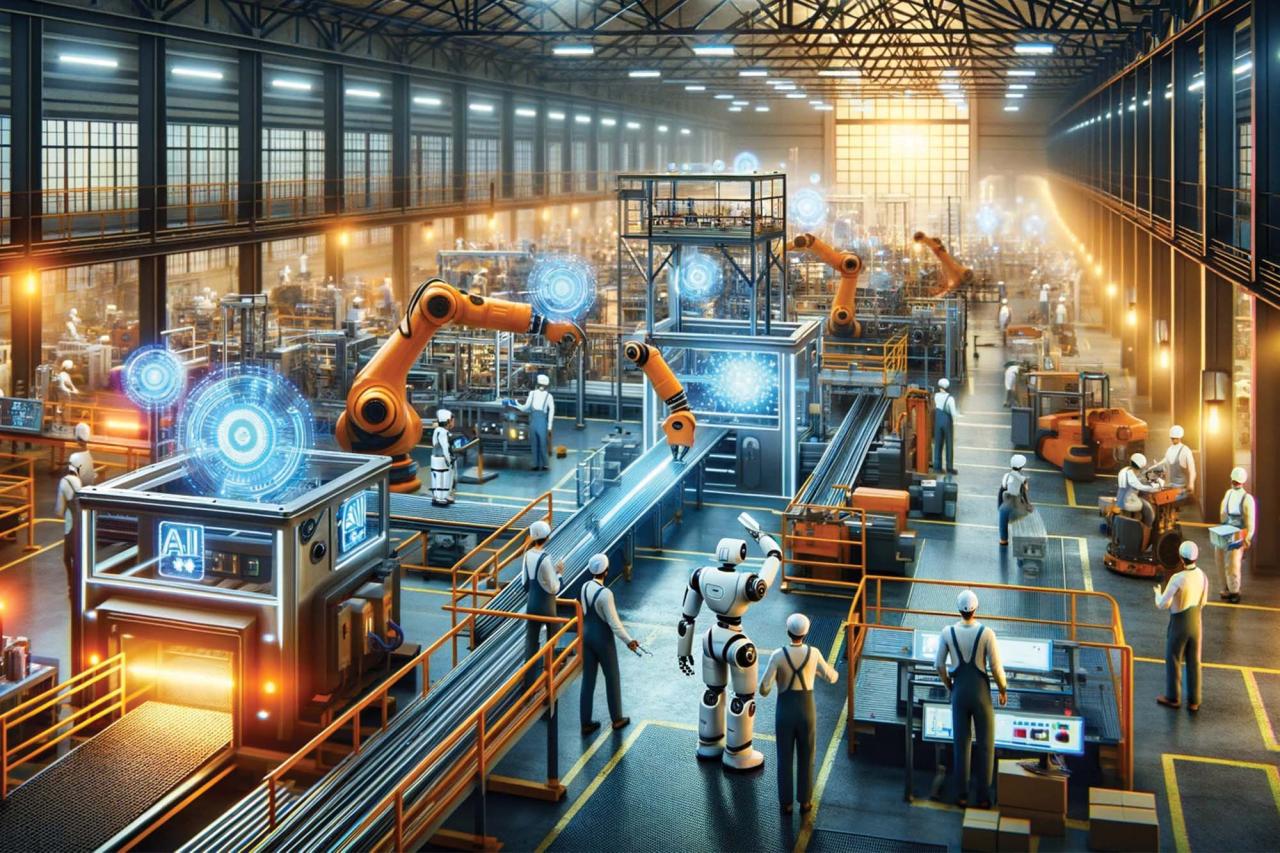
A. Autonomous Mobile Robots (AMRs) and Cobots: AMRs handle material transport in high-traffic or dangerous areas, reducing accident risk. Collaborative Robots (Cobots) work alongside human employees, taking on repetitive, ergonomically stressful tasks, thereby reducing fatigue and long-term injury claims.
B. Digital Safety Monitoring: Wearable technology and computer vision monitor worker location and vital signs, automatically alerting supervisors or shutting down machinery if a worker enters a dangerous zone or exhibits signs of distress.
C. Automated Compliance Documentation: The Smart Factory automatically logs every operational parameter and quality check, providing an irrefutable, time-stamped digital record for regulatory compliance, audit trails, and certification requirements.
IV. Implementation Strategy: The Roadmap to Intelligence
The transition to a Smart Factory is a journey, not a switch. It requires a phased, strategic approach focused on data infrastructure, talent, and culture.
A. Phased Technology Adoption
Avoid the trap of trying to implement every technology at once. A successful rollout focuses on iterative, measurable ROI.
A. Data Infrastructure First: Prioritize the installation of foundational IIoT sensors, secure networks (5G/Wi-Fi 6), and a standardized Manufacturing Execution System (MES) to ensure consistent data collection and communication.
B. Pilot High-Impact Use Cases: Start with a single, high-value area to demonstrate ROI quickly. Ideal pilot projects include:
A. Predictive Maintenance on a single, critical machine.
B. Energy Monitoring on the most power-hungry production line.
C. Automated Quality Inspection at the end of a line known for high defect rates.
C. Scale Across the Enterprise: Once the pilot demonstrates success and provides a clear model for implementation, scale the technology across the entire factory and, eventually, across all global sites, ensuring data standards and protocols are unified.
B. The New Manufacturing Workforce
Technology is only as effective as the people who design, maintain, and interpret its output. A focus on reskilling is essential.
A. Data Literacy Training: All personnel, from floor operators to executive management, need a foundational understanding of data analysis and AI output. Operators must be trained to trust and act upon AI-generated insights (e.g., PdM alerts).
B. Focus on IT/OT Convergence: The historical separation between Information Technology (IT) and Operational Technology (OT) must dissolve. Successful Smart Factories require unified teams of engineers who understand both the physical machinery (OT) and the underlying data and network infrastructure (IT).
C. Cultivating a Culture of Continuous Improvement: The Smart Factory provides the tools; the culture must provide the drive. Foster a workplace where data is used to identify failures not for blame, but for problem-solving and constant iterative refinement of the process.
V. Measuring Success: Metrics for the Smart Era
The success of a Smart Factory is measured by traditional financial metrics but also by a new set of data-driven indicators reflecting intelligence and agility.
A. Financial Metrics:
A. Total Cost of Ownership (TCO) of Assets: Lowered by PdM and extended asset life.
B. Working Capital Optimization (Inventory Turnover): Improved by reduced WIP and precise material usage.
C. Revenue per Employee: Increased through workforce augmentation and higher output.
B. Operational and Quality Metrics:
A. Overall Equipment Effectiveness (OEE) and its Component Scores (Availability, Performance, Quality): The single most important measure of factory efficiency, tracked and maximized in real-time.
B. Mean Time Between Failure (MTBF): Increased through superior PdM.
C. Scrap Rate and Rework Cost: Directly reduced by AQC systems.
C. Agility and Sustainability Metrics:
A. Time-to-Market (TTM) for New Products: Measures the speed of NPI.
B. Carbon Footprint per Unit: Tracks energy efficiency and sustainability goals.
C. System Resilience Score: Measures the ability to maintain production during external or internal disruptions.
The Smart Factory is the inevitable future of manufacturing. By integrating IIoT sensors, the predictive power of AI, and the scalability of the Cloud, businesses can move beyond mere automation to create self-optimizing systems that deliver unprecedented gains in production yield, cost efficiency, and market responsiveness, ensuring sustained profitability and market leadership in the highly competitive digital economy.