The global energy landscape is currently undergoing a massive and necessary transformation as the world shifts away from fossil fuels toward a more sustainable and resilient future. For decades, our industrial and societal progress was fueled by finite resources that came with significant environmental and social costs.
However, we are now entering a revolutionary era where technological advancements and financial innovation have made clean energy the most viable path forward for long-term growth. This transition requires more than just goodwill; it demands a total redesign of our global infrastructure, from how we generate power to how we distribute it across vast distances.
As an advocate for conscious living and corporate responsibility, she believes that the move toward renewable energy is not just an environmental imperative but the greatest economic opportunity of our lifetime. By integrating sustainable investment strategies into the heart of global portfolios, we can drive the development of solar, wind, and storage technologies that will power generations to come. This article provides a deep dive into the sophisticated frameworks that are helping institutional and private entities navigate the complexities of the green energy market. It is no longer a matter of if the world will transition, but how quickly we can build the systems to support a carbon-free reality.
The Rise of Large Scale Solar and Wind Assets

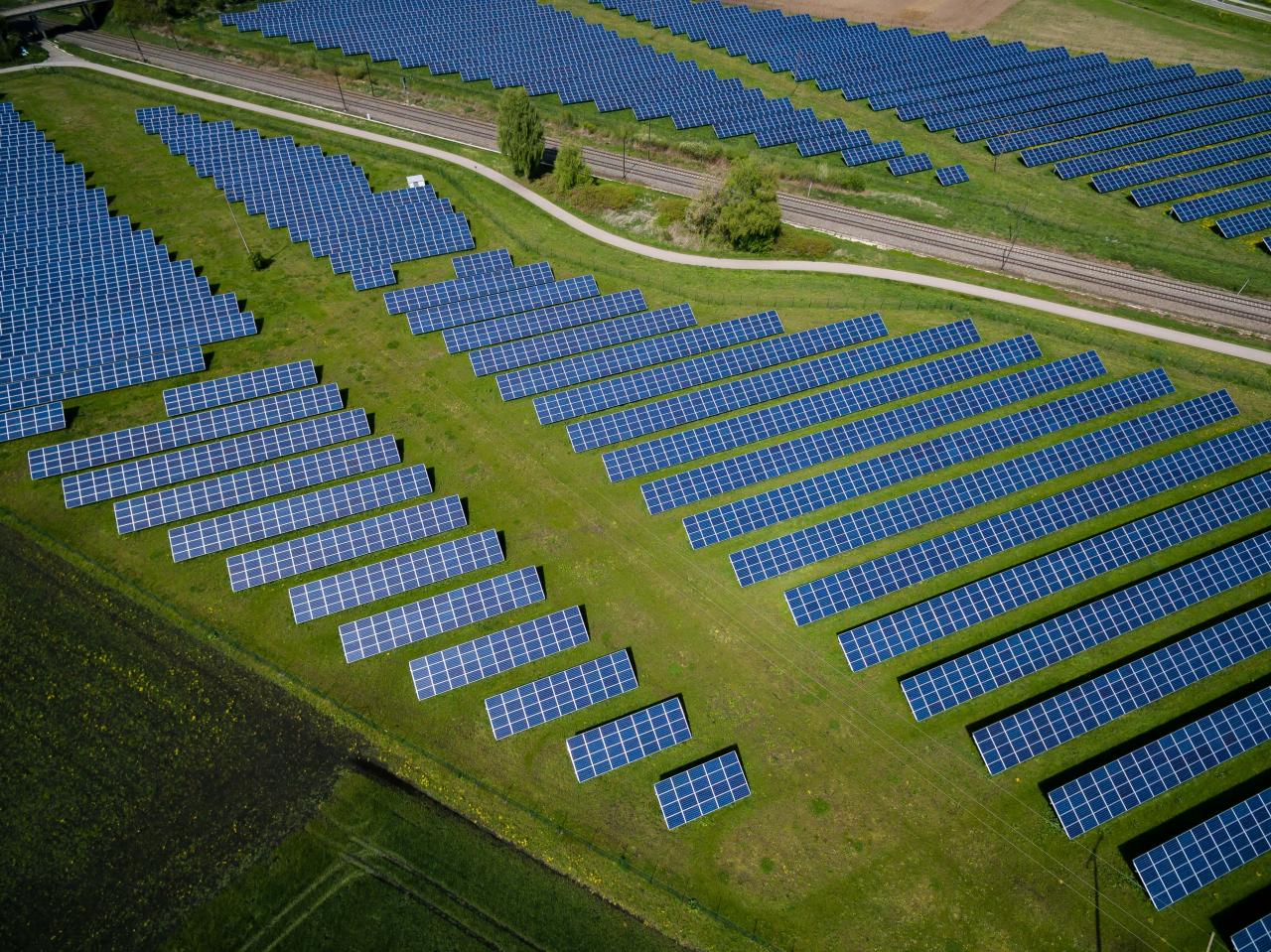
At the core of the renewable energy revolution is the massive deployment of utility-scale solar and wind farms. These projects are the backbone of the new energy grid, providing consistent and increasingly affordable power to millions of homes and businesses. Unlike traditional power plants, these assets have low operational costs once constructed, making them highly attractive for long-term stakeholders seeking stable returns.
A. Diversifying Portfolios via Utility Scale Solar Farms
B. Capitalizing on High Efficiency Offshore Wind Projects
C. Analyzing the Life Cycle Costs of Green Energy Assets
D. Leveraging Government Subsidies and Tax Incentives
E. Evaluating the Performance of Photovoltaic Technology
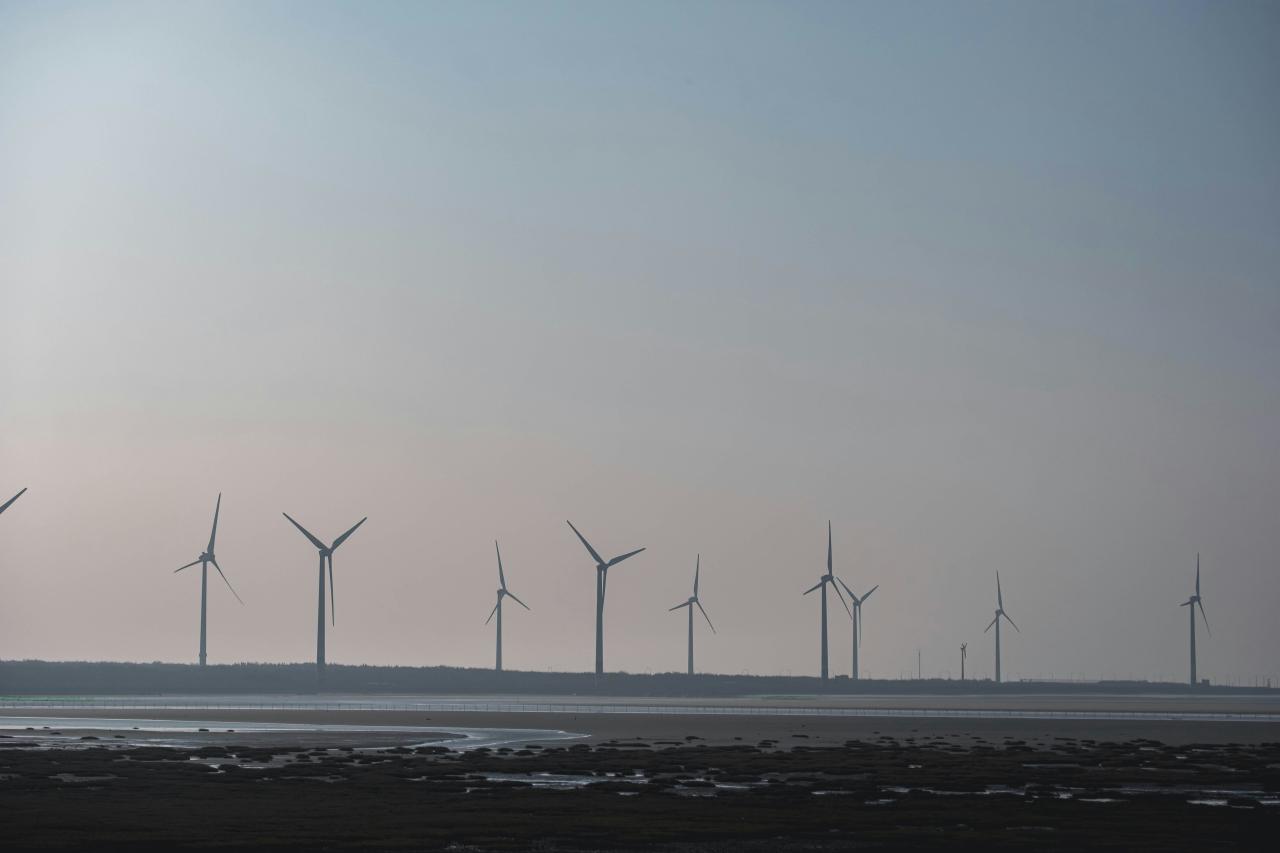
Offshore wind is particularly exciting because of the consistency and strength of sea breezes compared to land-based wind. While the initial capital expenditure for offshore projects is higher, the total energy yield is significantly greater. Those who engage early in these large-scale infrastructure projects are positioning themselves at the forefront of the global energy transition.
Grid Modernization and Smart Distribution Systems
Generating clean energy is only half the battle; the current global power grid was not designed to handle the intermittent nature of wind and solar. Modernizing our infrastructure with smart grid technology is essential for ensuring that energy is distributed efficiently where it is needed most. These smart systems use real-time data to balance supply and demand, reducing waste and preventing blackouts during peak usage.
A. Implementing Advanced Smart Metering Infrastructure
B. Developing High Voltage Direct Current Transmission Lines
C. Integrating Artificial Intelligence for Grid Load Balancing
D. Enhancing Cybersecurity for Decentralized Energy Networks
E. Minimizing Energy Loss During Long Distance Transmission
Smart grids allow for two-way communication between the utility provider and the consumer. This means that home appliances can be programmed to run when energy prices are lowest and renewable supply is highest. Developing the software and hardware that manage this distribution is just as critical as building the power plants themselves.
Battery Storage Solutions for Energy Resilience
The intermittency problem of renewable energy is being solved by massive advancements in battery technology. Utility-scale battery storage allows excess energy generated during the day to be saved and used during the night. This technology is the missing link that makes a 100% renewable energy grid a physical and economic reality.
A. Utilizing Lithium Ion and Solid State Battery Arrays
B. Developing Long Duration Pumped Hydro Storage Systems
C. Exploring the Potential of Green Hydrogen Energy Storage
D. Implementing Decentralized Residential Battery Networks
E. Managing the Supply Chain for Critical Battery Minerals
As battery costs continue to plummet, the business case for storage becomes undeniable. Large-scale storage facilities act as peaker plants, stepping in to provide power during high-demand periods without the need for coal or gas. The development of sustainable battery recycling programs is also a key part of this specific transition strategy.
The Role of Green Hydrogen in Industrial Decarbonization
While electricity can power our homes, some heavy industries like steel and shipping require more energy-dense fuels. Green hydrogen, produced by using renewable electricity to split water molecules, is the leading solution for decarbonizing these sectors. This represents a new frontier for infrastructure, involving everything from electrolyzers to specialized pipelines.
A. Scaling Electrolyzer Production for Global Industrial Use
B. Retrofitting Existing Gas Pipelines for Hydrogen Transport
C. Developing Green Ammonia for Carbon Free Shipping
D. Creating Integrated Hydrogen Hubs Near Industrial Centers
E. Assessing the Economic Viability of Hydrogen Fuel Cells
Green hydrogen acts as a bridge between the power sector and the industrial sector. By building out hydrogen infrastructure, we can eliminate carbon emissions from the manufacturing processes that build our world. This technology is currently scaling, offering high growth potential for forward-thinking organizations.
Sustainable Project Finance and Green Bonds
To fund these massive infrastructure projects, the world of finance has developed specialized instruments known as Green Bonds. These are fixed-income products specifically designed to raise money for projects with positive environmental and social impacts. This allows for supporting the green transition while earning a predictable return, backed by the stability of infrastructure assets.
A. Navigating the Standards of Green Bond Certifications
B. Utilizing Public Private Partnerships for Infrastructure Growth
C. Implementing Risk Mitigation Strategies for Green Projects
D. Assessing the Impact of ESG Ratings on Capital Costs
E. Developing Community Based Renewable Energy Financing
The transparency required for Green Bonds ensures that the capital is actually going toward sustainable outcomes. Public-private partnerships are also crucial, as they allow governments to de-risk projects for private entities. This collaborative approach to financing is accelerating the pace of the global energy transition beyond what a single sector could do alone.
Managing Social and Environmental Impact
A truly sustainable strategy must consider the social impact of infrastructure projects on local communities. This includes ensuring fair labor practices, protecting biodiversity, and engaging with indigenous populations during the planning phase. Neglecting the Social and Governance parts of ESG can lead to project delays, legal challenges, and reputational damage.
A. Conducting Comprehensive Social Impact Assessments
B. Protecting Local Ecosystems During Construction Phases
C. Ensuring Equitable Job Creation in the Green Economy
D. Navigating Land Use Rights and Community Consultations
E. Implementing Circular Economy Principles in Infrastructure
When a community benefits from a local wind farm through jobs and tax revenue, the project is much more likely to succeed. Sustainable infrastructure is about building a world that works for everyone, not just generating clean electrons. A holistic approach to sustainability ensures long-term project stability and a social license to operate.
Policy Frameworks and Global Regulatory Trends
The speed of the renewable energy transition is heavily influenced by government policy and international agreements. From the Paris Agreement to local carbon taxes, the regulatory environment is increasingly favoring green energy over fossil fuels. Understanding these policy shifts is essential for identifying which markets offer the best long-term stability for infrastructure.
A. Analyzing Carbon Pricing Impacts on Asset Valuation
B. Monitoring Changes in Renewable Energy Feed in Tariffs
C. Evaluating the Impact of International Climate Accords
D. Navigating Local Zoning Laws for Clean Energy Projects
E. Understanding the Role of Central Banks in Green Finance
Governments are increasingly using legislative tools to drive the transition. Carbon taxes make fossil fuels more expensive, while subsidies make renewables more competitive. Staying ahead of these regulatory trends allows for pivoting toward the most favorable jurisdictions for future growth.
Conclusion
The shift toward renewable energy infrastructure is the defining challenge and opportunity of our time. Global systems are rapidly moving away from carbon-heavy foundations toward cleaner alternatives. Infrastructure modernization is required to handle the unique demands of wind and solar power. Battery storage provides the necessary stability to make renewable energy reliable 24/7.
Green hydrogen offers a realistic path to decarbonize heavy global industries like shipping. Financial innovations such as green bonds are providing the capital needed for this massive transition. Social equity must be integrated into the planning of every new energy project. Policy and regulation remain the primary drivers of the speed of green adoption. Technological advancements continue to lower the cost of a sustainable future every day. We are building a more resilient world through conscious and strategic infrastructure choices. The legacy we leave behind will be defined by the clean energy systems we build today.