The global economy is at a critical inflection point, moving decisively away from fossil fuels toward a landscape dominated by New Energy Solutions. This transition is no longer a niche environmental movement but a colossal engine for economic growth, enhanced energy security, and radical job creation. Governments, corporations, and investors are pouring trillions into this sector, recognizing that the future of power is intertwined with resilience, affordability, and sustainability. The fundamental cost parity achieved by key clean technologies has transformed the energy transition from an ambition into an unstoppable force for global progress.
I. The Core Technologies Powering the Transition
The current wave of economic expansion is underpinned by breakthroughs and massive scaling of several key clean technologies, fundamentally altering global energy consumption patterns.
A. Solar and Wind Dominance
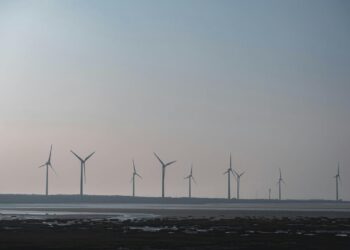
Solar and wind power are now the most cost-effective forms of electricity generation in the majority of the world. This dramatic decline in cost, combined with deployment at scale, has cemented their position as the foundational elements of the new energy mix.
A. Exponential Growth in Deployment:
Annual additions of solar capacity have soared, reaching unprecedented levels. This growth is driven by continuous declines in module prices and the widespread adoption of utility-scale, commercial, and residential installations.
B. Hybrid Power Systems:
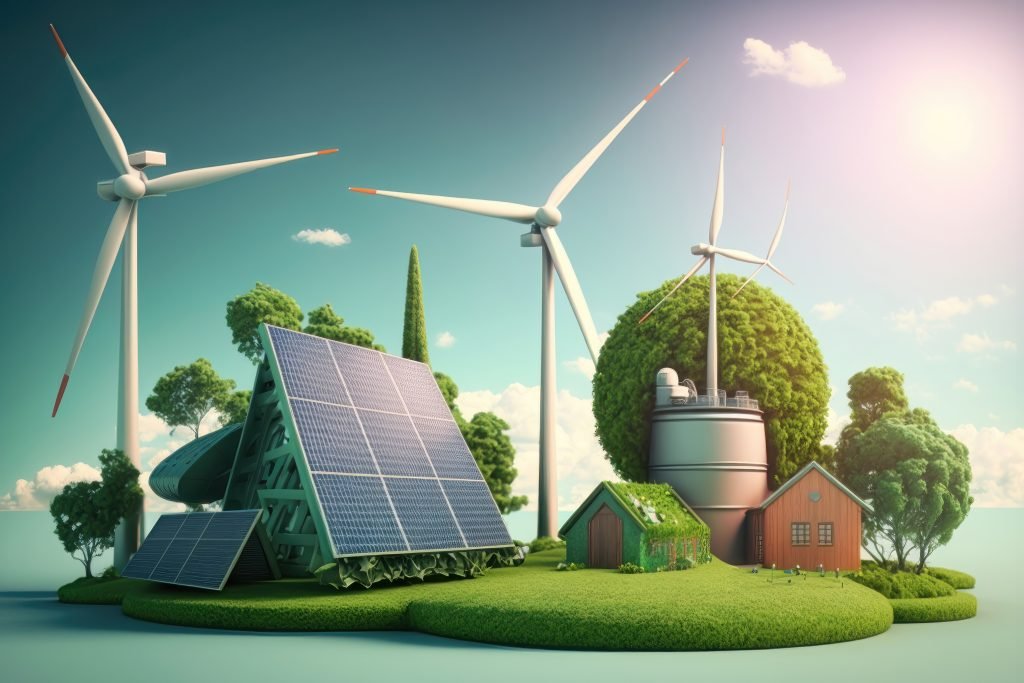
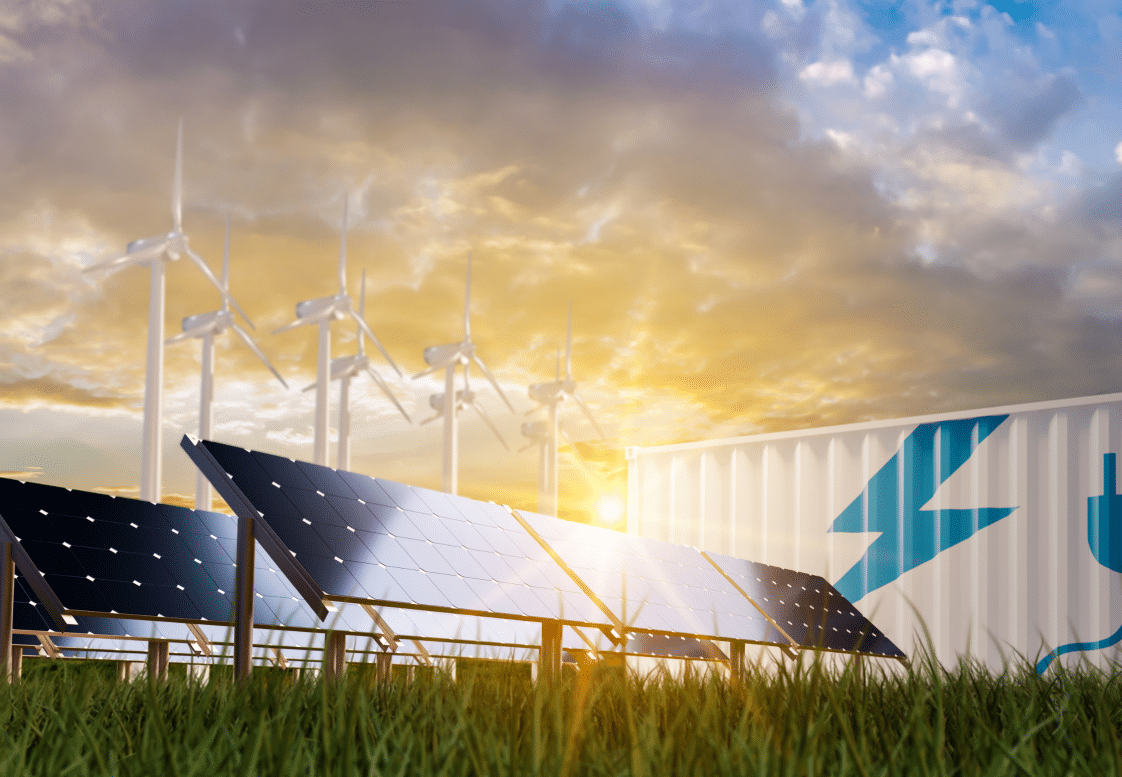
The integration of solar and wind with co-located battery storage is now standard practice. This hybrid approach allows renewable energy to deliver reliable, dispatchable power, addressing the historical challenge of intermittency.
C. Global Investment Shift:
Investment in renewables now outpaces investment in fossil fuels by a factor of 10-to-1, a clear signal that long-term capital is decisively flowing into clean energy infrastructure.
B. The Revolution in Energy Storage
Energy storage is the lynchpin of the modernized grid, turning intermittent renewable sources into stable, 24/7 power supply. Innovation is rapid, spanning multiple technologies beyond the current Lithium-ion dominance.
A. Advanced Battery Chemistry:
While Lithium-ion (Li-ion) batteries remain the market leader (with prices now often below $100/kWh), research is focused on next-generation chemistries to enhance safety, lifespan, and energy density.
- A. Solid-State Batteries: Promising higher energy density, improved performance in cold climates, and eliminating the fire risk associated with liquid electrolytes.
- B. Semi-Solid-State Technology (e.g., Ampace): Engineered for outstanding safety and longer lifecycles, with some cells achieving up to 15,000 charge-discharge cycles, significantly reducing total lifecycle costs.
B. Long-Duration Energy Storage (LDES):
For seasonal or multi-day storage needs, LDES technologies are gaining traction:
- A. Thermal Energy Storage (TES): Converting electricity into heat for storage in mediums like molten salt or specialized blocks, offering cost-effective, long-term storage for industrial heat or grid balancing.
- B. Flow Batteries and Compressed Air Energy Storage (CAES): Alternative chemistries and mechanical systems designed for large-scale, long-duration applications where multi-hour or multi-day discharge capability is paramount.
C. Green Hydrogen and Hard-to-Abate Sectors
Green Hydrogen, produced via electrolysis powered by renewable electricity, is emerging as the essential solution for industries and transportation sectors that are hard-to-electrify (hard-to-abate).
A. Industrial Decarbonization:
Green hydrogen provides a clean feedstock and fuel replacement for high-emission processes:
- A. Steel Production: Used in the Hydrogen-Direct Reduced Iron (H2-DRI) process, which replaces coal-based reduction, eliminating vast amounts of $\text{CO}_2$ emissions.
- B. Chemical Industry: Replacing fossil-derived hydrogen in the production of ammonia (fertilizers) and methanol (chemical feedstocks).
- C. Refineries: Substituting ‘grey hydrogen’ with clean hydrogen for use in hydrocracking and other fuel processes.
B. Heavy Transportation:
Hydrogen fuel cells are seen as the most viable path for decarbonizing heavy-duty trucking, shipping, and aviation, where the weight and charging time of large batteries are prohibitive.
II. Economic and Societal Benefits of Energy Transition
The shift to new energy solutions generates significant benefits that far outweigh the initial investment costs, creating a new wave of inclusive, sustainable growth.
A. Job Creation and Workforce Development
The clean energy sector is a net job creator, generating substantially more employment opportunities per dollar invested than the fossil fuel industry.
A. Millions of Green Jobs:
Globally, the renewable energy sector already employs tens of millions of people, a figure that is rapidly growing. These “green jobs” span manufacturing, project development, installation, maintenance, and cutting-edge research and development.
B. Skills Transition Imperative:
Governments worldwide are focusing on upskilling and reskilling programs to prepare the workforce for the green economy. This ensures a just energy transition, where workers from declining fossil fuel industries are provided with new, high-value career paths in clean energy and related fields like waste management and sustainable manufacturing.
B. Energy Security and Price Stability
Relying on locally sourced, inexhaustible resources like sun, wind, and geothermal heat fundamentally enhances national energy security.
A. Decoupling from Geopolitics:
Countries that are net importers of fossil fuels gain massive economic and geopolitical advantage by switching to domestic renewable sources. This diversifies the energy mix, shields national economies from volatile global oil and gas price swings, and reduces dependency on foreign suppliers.
B. Long-Term Cost Savings:
Once built, solar and wind power plants operate with a near-zero marginal cost of fuel. This provides long-term price predictability for consumers and businesses, acting as a powerful brake on inflationary energy costs.
C. Macroeconomic Impact
Accelerating the energy transition is projected to deliver measurable increases in global economic output and welfare.
A. GDP and Welfare Boost:
Studies by institutions like IRENA project that doubling the share of renewables could increase global Gross Domestic Product (GDP) by over 1% and boost overall global welfare by nearly 4%. This is primarily due to reduced climate change damage, lower energy costs, and increased employment.
B. New Markets and Export Opportunities:
The transition stimulates the creation of entire new industries (e.g., carbon capture, smart grid software, advanced battery manufacturing) that countries can specialize in, fostering new export markets and trade relationships based on clean technology and expertise.
III. The Infrastructure and Policy Framework
The scalability of new energy solutions relies heavily on the modernization of outdated infrastructure and the stability of supportive government policies.
A. Grid Modernization and Digitization
The traditional one-way electric grid is being transformed into a smart, two-way network capable of managing highly distributed energy resources (DERs).
A. Advanced Digital Technologies:
Grid modernization involves deploying smart meters, advanced sensors, and sophisticated data analytics to provide real-time monitoring of power flow, voltage, and frequency. This detailed data enables grid operators to manage supply and demand with unprecedented efficiency.
B. Bi-Directional Power Flow:
The new grid must seamlessly handle power flowing not only from centralized plants but also from millions of DERs, such as rooftop solar panels, electric vehicles, and residential battery storage systems. Automated control systems are implemented to optimize operations and ensure stability.
C. Resilience and Decentralization:
A modernized grid is inherently more resilient, designed to withstand extreme weather events and quickly recover from disruptions through decentralized power generation and localized microgrids.
B. Policy and Investment Catalysts
Stable, long-term policy frameworks are the critical tool for de-risking investments and attracting the necessary trillions of dollars of private capital.
A. Government Intervention and Incentives:
Policies like feed-in tariffs, production tax credits, and carbon pricing mechanisms are essential to make nascent clean technologies commercially viable and to accelerate adoption. These interventions signal long-term government commitment.
B. International Cooperation (e.g., AZEC):
Regional and international agreements, such as the Asia Zero Emission Community (AZEC), provide a framework for technology transfer, joint financing, and capacity building. Such platforms are crucial for ensuring that the transition is just, affordable, and inclusive for developing economies.
C. Strategic Role of Energy Sources:
Countries are re-evaluating their long-term energy strategies. For example, some nations are integrating nuclear power not as a last resort, but as a strategic pillar for national energy security due to its ability to provide reliable, low-carbon baseload power alongside renewables.
IV. Navigating the Challenges and Future Outlook
While momentum is undeniable, the energy transition faces challenges, particularly in securing adequate financing and managing the scale of infrastructure change required.
A. The Investment Gap
Despite rapidly growing investments, the current rate of clean energy financing—even at over $2 trillion annually—still falls short of the estimated $5.6 trillion needed annually through 2030 to meet net-zero targets. Closing this gap requires:
A. Innovative Financing Models:
Developing new mechanisms to de-risk investments in emerging markets and pre-commercial technologies (e.g., fusion energy, advanced geothermal).
B. Blended Finance:
Using public funds, grants, and development bank resources to catalyze and unlock much larger amounts of private sector investment.
B. The Role of Artificial Intelligence (AI)
AI is emerging as a powerful tool to accelerate the transition by optimizing system performance and managing complexity.
A. Grid Optimization:
AI algorithms can predict energy demand and renewable supply fluctuations with higher accuracy, allowing grid operators to manage storage and load balancing more effectively.
B. Efficiency Gains:
AI can dramatically improve energy efficiency in buildings and industrial processes, which the IEA notes is one of the fastest and cheapest ways to cut emissions.
Conclusion
The global economic growth in the decades ahead will be fundamentally defined by the speed and equity of the energy transition. The deployment of New Energy Solutions creates not only a path to a sustainable future but also the most significant economic opportunity of the 21st century.