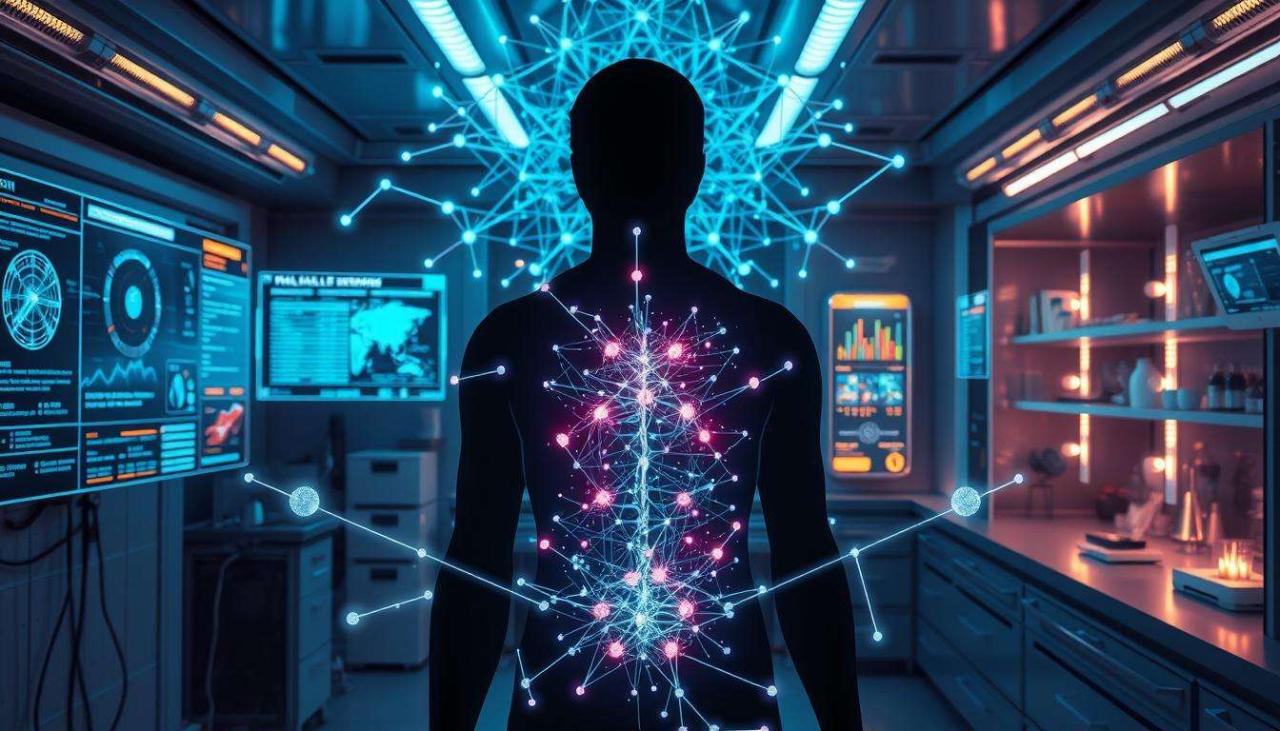
The ongoing technological revolution, spearheaded by Artificial Intelligence (AI), is rapidly transitioning from a corporate buzzword to a deeply embedded component of everyday existence. The current wave of AI breakthroughs, particularly in Generative AI and Machine Learning (ML), is not merely automating tasks but is fundamentally transforming human cognition, communication, and decision-making. We are moving toward an era of Augmented Humanity, where personalized AI copilots serve as ubiquitous extensions of our own capabilities. This exhaustive examination delves into the specific, high-impact areas where AI is reshaping daily life, exploring the financial implications, the necessity of new skills, and the critical ethical challenges that must be navigated.
Hyper-Personalization: The End of Generalization
The primary consumer-facing impact of modern AI is the dissolution of generalized experiences. Whether in health, education, or entertainment, AI tailors services so precisely that they become extensions of the individual user. This is a potent driver for high-value AdSense content focused on premium services and personalized products.
A. Personalized Health and Wellness Companions
AI is bringing Precision Health out of the clinic and into the home, generating high-CPC interest related to longevity, specialized diagnostics, and premium wearables.
A. Real-Time Biometric Coaching: Advanced wearable technology—from smart rings to continuous glucose monitors—collects torrents of real-time physiological data. AI algorithms analyze this complex, multimodal data to provide highly personalized health recommendations, adapting exercise routines, sleep schedules, and nutritional intake instantly. This moves beyond mere tracking to prescriptive wellness.
B. Early Disease Prediction: AI models can detect minute, pre-symptomatic changes in biometric data patterns that precede the onset of conditions such as cardiovascular issues, infectious diseases, or chronic stress. This predictive capability empowers individuals to seek early intervention, dramatically improving outcomes and reducing long-term healthcare costs.
C. Mental Health and Emotional AI: Emotional AI (sometimes called Affective Computing) is powering next-generation mental wellness applications. These tools use Natural Language Processing (NLP) and voice analysis to recognize subtle shifts in a user’s emotional state, providing immediate, non-judgmental conversational support and connecting users to professional help when necessary, bridging access gaps in mental healthcare.
B. The Customized Learning Ecosystem
AI is revolutionizing education by treating students as individuals with unique learning paces and styles, creating a fertile area for EdTech and career-focused content.
A. Adaptive Curricula: AI tutors analyze a student’s performance, cognitive load, and knowledge gaps in real-time to adjust the complexity and pacing of educational content. This ensures optimal engagement and accelerates mastery by focusing remediation precisely where it is needed.
B. Skills Gap Identification: For adults and professionals, AI platforms continually monitor market demand for skills and compare it against the individual’s career trajectory, recommending personalized learning pathways to close high-value skills gaps and maintain career competitiveness.
C. Content Synthesis and Creation: Generative AI tools summarize complex research papers, generate practice problems, and create custom study guides in seconds, making learning materials both vast and highly specific to the learner’s immediate goals.
The Augmented Home and Seamless Living
The concept of the “Smart Home” has matured into a truly Cognitive Home where AI agents manage the environment, security, and domestic tasks autonomously. Content on smart home devices, energy management, and home security attracts high-value advertising revenue.
A. Agentic Smart Home Management
AI assistants are evolving from simple voice command interpreters to sophisticated, multi-tasking Agentic AI Systems that can plan and execute complex routines without constant human direction.
A. Predictive Energy Optimization: AI manages energy consumption by learning household occupancy patterns, predicting weather changes, and even integrating with the power grid (Vehicle-to-Grid readiness). This optimization dramatically reduces utility bills and promotes sustainability by intelligently using renewable energy sources.
B. Proactive Security and Safety: Smart cameras and sensors powered by Computer Vision can distinguish between pets, residents, known visitors, and genuine intruders with high accuracy. They can not only alert owners but also proactively contact emergency services based on pre-set parameters and real-time situational assessment.
C. Multi-Modal Interaction: Interaction moves beyond voice. The Cognitive Home responds to gestures, gaze, written input, and even biometric data (e.g., mood detection via voice tone or physiological signals), making device control entirely seamless and intuitive.
B. The Generative Content Revolution
AI has become an active participant in media consumption and creation, shifting the user from a passive consumer to an Active Co-Creator, a hot topic for digital media and creative software advertisers.
A. Custom Entertainment Streams: AI curates personalized music, movie, and news feeds by analyzing not just what the user watches, but how they respond—tracking subtle behaviors like pausing, rewatching, or skipping—to provide content recommendations with unprecedented accuracy.
B. Personal Digital Creation: Tools that generate high-quality images, video segments, music, and text based on simple prompts empower even non-artists to become content creators. This phenomenon democratizes creativity but also drives demand for better digital tools and computational power.
C. Synthetic Digital Identities: Generative AI is used to create hyper-realistic digital avatars and synthetic voices for personal use (e.g., virtual assistance, social media personas), raising both convenience and profound questions about digital identity authenticity.

Navigating the Societal and Ethical Crossroads
The deep integration of AI into daily life creates new economic opportunities but also significant societal risks that must be addressed through regulation, education, and ethical design. Topics discussing policy, ethics, and future skills command excellent AdSense rates due to their high professional relevance.
A. Economic Repercussions and Future of Work
The widespread automation powered by AI necessitates a proactive approach to skill development and economic adaptation.
A. Automation of Cognitive Routine: AI is rapidly taking over routine cognitive tasks such as summarizing documents, drafting emails, and basic data entry—jobs previously considered safe from mechanical automation. This requires the workforce to immediately pivot toward non-routine tasks involving critical thinking, emotional intelligence, and complex human collaboration.
B. The Demand for New Human Skills: Success in the augmented workplace will hinge on core human capabilities that AI cannot replicate:
- A. Creative Problem Solving: Tackling novel, complex issues with no historical precedent.
- B. Digital Ethics and Governance: Ensuring responsible and fair AI deployment.
- C. Empathy and Interpersonal Communication: Excelling in high-touch roles requiring trust and nuanced emotional understanding.
- D. Systemic Thinking: Understanding how AI tools interact within large, complex systems.
C. Income Disparity and Accessibility: The benefits of AI are currently unevenly distributed. Ensuring equitable access to AI tools and training programs is crucial to prevent a further widening of the economic gap between the AI-empowered and the AI-displaced.
B. The Imperative of Ethical AI Governance
The convenience of personalization and automation must be balanced against fundamental rights to privacy and fairness.
A. Mitigating Algorithmic Bias: Because AI systems learn from historical data, they risk perpetuating and amplifying societal biases relating to race, gender, and socio-economic status. Ethical development requires rigorous auditing and testing of training data to ensure algorithms are fair and equitable, especially in high-stakes areas like credit scoring, hiring, and criminal justice.
B. Data Privacy and Security: The vast amounts of personal data collected by smart devices—from health metrics to emotional states—demand robust Zero-Trust security architectures and clear regulatory frameworks. Users must have transparent control over how their highly personal data is used and monetized.
C. Transparency and Explainability (XAI): In critical applications, people must be able to understand why an AI system made a specific decision (e.g., denying a loan, suggesting a medical diagnosis). Explainable AI (XAI) is a crucial area of research and regulation, building trust by offering clear, human-understandable rationales for machine actions.
C. The Battle Against Deepfakes and Misinformation
Generative AI’s ability to create highly realistic synthetic media presents a severe threat to public trust and democratic processes, making content about digital literacy and security highly relevant.
A. Synthetic Media (Deepfakes): The rapid improvement in generating hyper-realistic video, audio, and text makes discerning authentic information from malicious Deepfakes increasingly difficult. Countermeasures involve AI-based detection tools and digital watermarking to certify content authenticity.
B. Combating Algorithmic Echo Chambers: Personalized feeds, while convenient, can lead to algorithmic echo chambers, reinforcing existing beliefs and making users susceptible to polarization and misinformation. Developing AI systems that balance personalization with exposure to diverse viewpoints is a critical societal challenge.
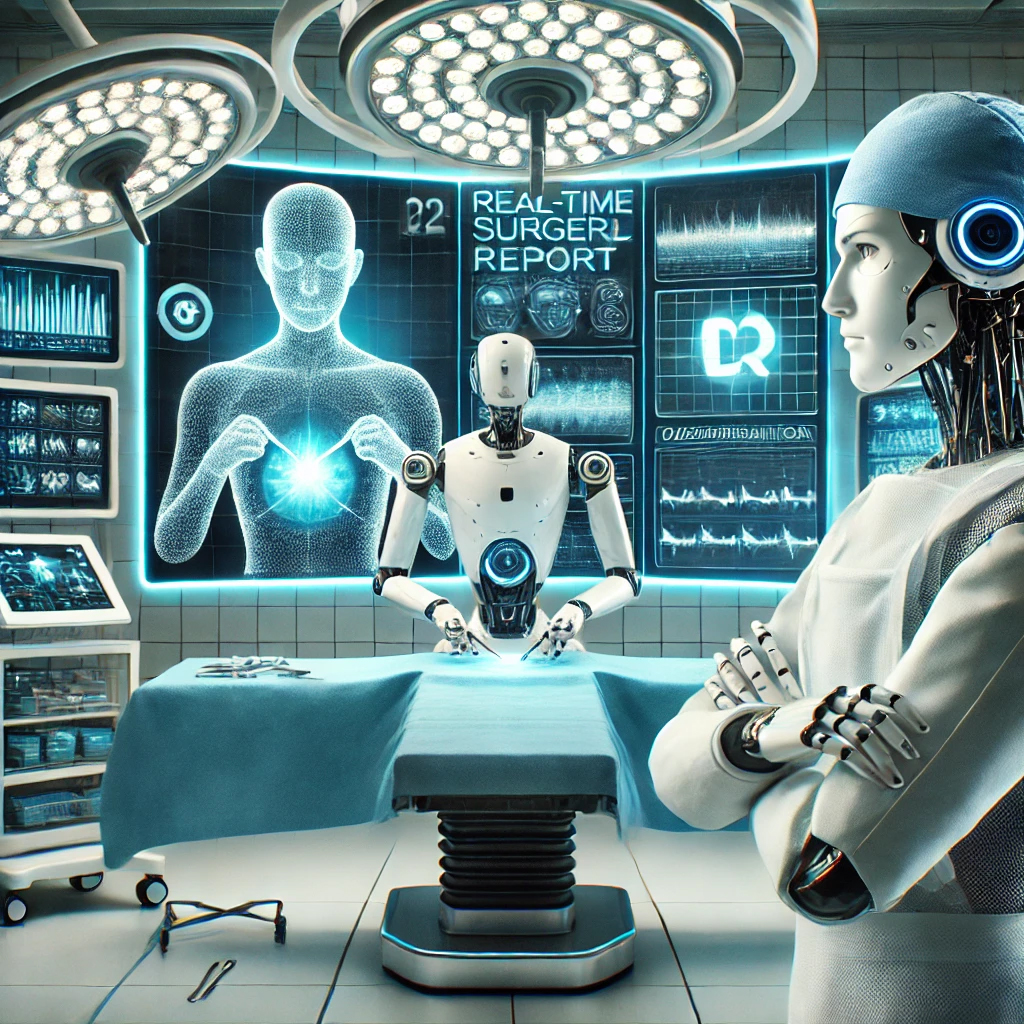
Measuring the Value of Augmented Daily Life
In this AI-centric future, success is not just about adopting technology, but about measuring the positive impact on human life quality and efficiency.
A. The Quality of Life Index:
A. Time Reclaimed from Routine Tasks: Quantifies the hours AI saves the user from mundane daily chores.
B. Health Trajectory Improvement: Tracks the measurable positive change in personalized health metrics (e.g., sleep quality, blood pressure) driven by AI coaching.
C. Learning Rate Acceleration: Measures the speed at which individuals acquire new, high-value skills using AI-driven tools.
B. Trust and Ethical Adoption Scores:
A. Algorithmic Fairness Score (AFS): Measures the detection rate of bias within an AI system’s output.
B. User Privacy Confidence Index (PCI): Tracks user trust levels regarding how their personal data is handled by AI systems.
C. Misinformation Exposure Rate (MER): Assesses a platform’s success in limiting user exposure to verified synthetic or false content.
Conclusion
The arrival of sophisticated AI in our daily lives represents a pivotal moment in human history. It promises an era of unprecedented convenience, personalization, and productivity. Yet, this future requires conscious, ethical engineering and public literacy. The companies that champion responsible, human-centered AI—prioritizing transparency, fairness, and human augmentation over mere automation—will ultimately be the ones to define and monetize the next generation of daily life.