The landscape of modern education is undergoing a seismic shift as one-size-fits-all teaching methods are rapidly being replaced by sophisticated digital ecosystems. This transformation is driven by the realization that every learner possesses a unique cognitive profile, varying background knowledge, and distinct pacing requirements.
Adaptive learning technology stands at the forefront of this revolution, utilizing complex algorithms to adjust the flow of instructional material in real-time based on student performance. By moving away from static textbooks and toward dynamic platforms, educational institutions can finally address the long-standing challenge of the “middle-ground” curriculum that often bores advanced students while leaving others behind.
Implementing these systems is not merely a technical upgrade but a pedagogical rebirth that requires a deep understanding of data analytics and human psychology. As global connectivity increases, the ability to deliver personalized education at scale has become the ultimate goal for administrators and innovators alike.
This guide explores the strategic pillars necessary to successfully integrate these high-tech tools into diverse learning environments. We will dive into how educators can harness the power of artificial intelligence to foster a more inclusive, efficient, and engaging educational experience for everyone involved.
A. Assessing Institutional Readiness and Infrastructure

Before a single line of software is installed, a school or organization must evaluate its current technical health.
Adaptive systems require high-speed internet and reliable hardware to process data shifts without lagging.
A weak foundation will lead to frustration among students and teachers, potentially killing the project before it starts.
Network Stability: Ensure that the bandwidth can handle hundreds of simultaneous data-heavy connections.
Device Accessibility: Every student must have equal access to a compatible laptop, tablet, or desktop.
Technical Support: Establish a dedicated team to troubleshoot software glitches and connectivity issues instantly.
B. Defining Clear Pedagogical Objectives
Technology should always serve the curriculum, never the other way around.
Administrators need to identify exactly which learning gaps they hope to close using adaptive tools.
Setting specific, measurable goals allows the institution to track the return on their educational investment over time.
Targeted Outcomes: Decide if the focus is on improving test scores, increasing graduation rates, or fostering deep conceptual mastery.
Curriculum Mapping: Align the adaptive software’s content with the national or state standards already in place.
Pilot Programs: Start with a small group of students to test the effectiveness of the strategy before a full rollout.
C. Choosing the Right Adaptive Model
Not all adaptive technologies are created equal; some focus on content delivery while others focus on social interaction.
Some platforms use “rule-based” logic while others utilize “machine learning” to predict student needs.
Selecting the model that fits your specific student demographic is crucial for long-term engagement.
Content-Adaptive: The system changes the difficulty of the material based on the student’s previous answers.
Assessment-Adaptive: The software adjusts the types of questions asked during quizzes to find the student’s true skill level.
Path-Adaptive: The platform changes the entire learning journey, offering different videos or readings based on interest and style.
D. Professional Development for Educators
Teachers are the most important factor in the success of adaptive learning, yet they are often the least trained.
Professional development should move beyond “how to log in” and focus on how to interpret the data the system generates.
When teachers feel empowered by technology, they can transition from lecturers to high-level facilitators.
Data Literacy: Training educators to read dashboards and identify which students are “stuck” in the system.
Blended Learning Techniques: Teaching staff how to combine online adaptive work with hands-on classroom activities.
Continuous Feedback: Creating a community of practice where teachers can share success stories and struggle points.
E. Designing Data-Driven Learning Paths
The true magic of adaptive technology lies in the data it collects every second a student interacts with it.
This information allows for the creation of truly personalized paths that react to a student’s emotional and cognitive state.
If a student is struggling with a math concept, the system might switch from text instructions to an interactive video.
Real-Time Remediation: The system provides immediate hints or simpler tasks when it detects a student is failing.
Advanced Acceleration: Fast learners are moved ahead to more challenging topics to maintain high engagement levels.
Scaffolded Instruction: Building complex skills by layering smaller, manageable concepts that the student has already mastered.
F. Ensuring Data Privacy and Ethical AI
With massive data collection comes the massive responsibility of protecting student privacy.
Institutions must ensure that their chosen platforms comply with international data protection laws.
Ethical considerations must also be made to ensure that the AI does not reinforce existing biases in education.
Consent Protocols: Clear communication with parents and students about what data is being tracked and why.
Data Anonymization: Stripping away personal identifiers before using data for broad institutional analysis.
Bias Auditing: Regularly checking that the software provides fair opportunities to students of all backgrounds.
G. Fostering Student Agency and Motivation
Adaptive learning should make students feel like they are in the driver’s seat of their own education.
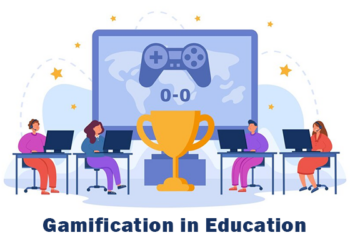
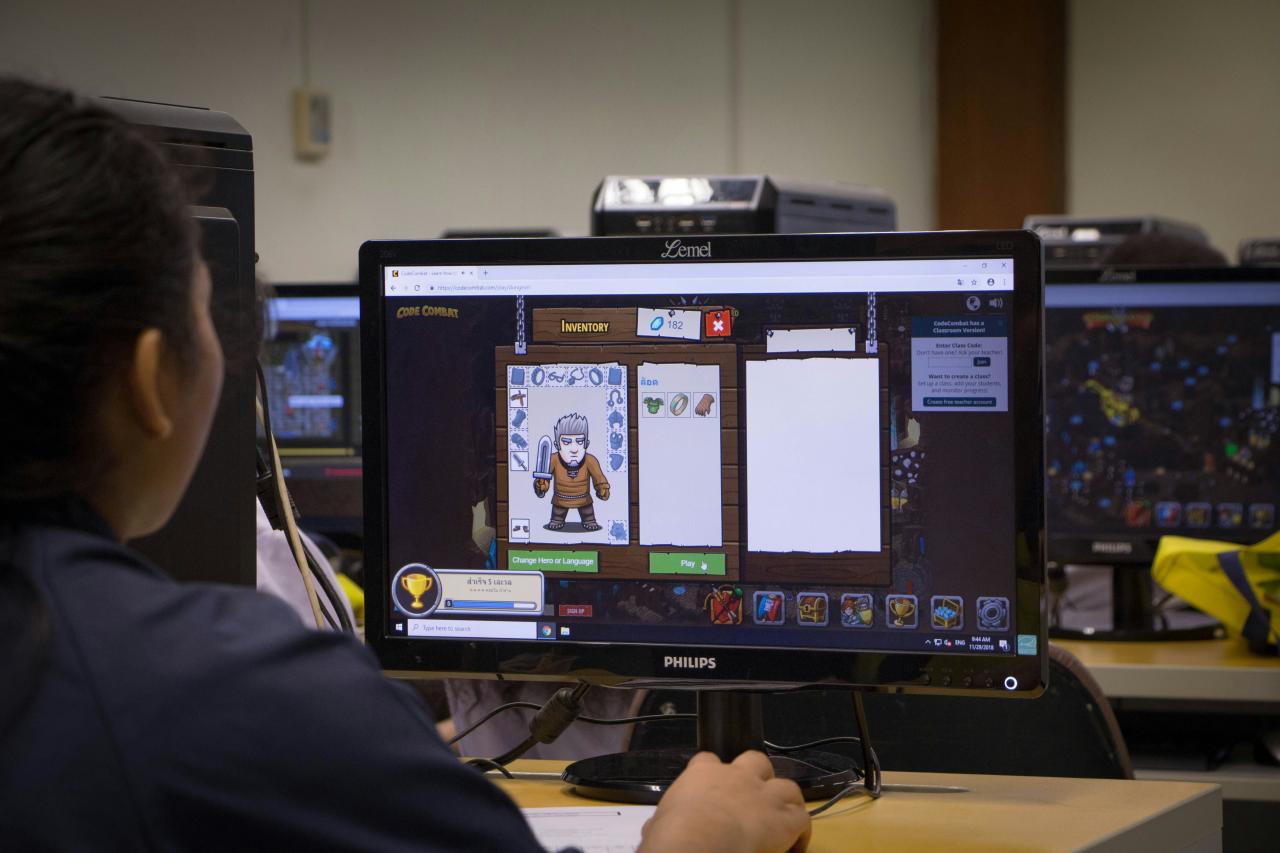
When students see their own progress bars and achievement badges, it triggers a “gamified” sense of accomplishment.
This motivation is key to keeping students focused during self-paced online sessions.
Progress Dashboards: Allowing students to see exactly how far they have come and what they need to do next.
Choice-Based Learning: Giving learners the option to choose between different formats of the same lesson.
Self-Reflection Tools: Built-in prompts that ask students to think about how they solved a particular problem.
H. Integrating Social and Collaborative Learning
A common criticism of digital learning is that it can feel isolating for the student.
Strong implementation strategies include “breakout” moments where students can discuss what they learned with peers.
The software should be used as a bridge to human connection, not a wall that blocks it out.
Peer Tutoring: Using system data to pair students who have mastered a topic with those who are currently struggling.
Group Projects: Designing tasks that require students to apply their individual adaptive insights to a team goal.
Discussion Forums: Providing digital spaces for students to ask questions and share resources outside of the platform.
I. Monitoring, Evaluation, and Iteration
Adaptive learning is not a “set it and forget it” solution; it requires constant monitoring.
Administrators should look at both quantitative data (test scores) and qualitative data (student satisfaction).
Regularly updating the strategy ensures that the technology continues to meet the evolving needs of the learners.
Impact Analysis: Comparing the performance of students using adaptive tools against historical averages.
Feedback Loops: Regularly surveying students and teachers to find out what parts of the software are frustrating.
Iterative Adjustments: Being willing to switch platforms or change usage hours if the data shows a lack of progress.
J. Scaling the Implementation Strategy
Once a pilot program proves successful, the next challenge is scaling the system to an entire district or corporation.
Scaling requires a focus on consistency across different classrooms and departments.
This phase often involves negotiating larger contracts and ensuring long-term financial sustainability.
Standardized Training: Creating a library of video tutorials and guides for new staff members.
Financial Planning: Budgeting for the ongoing costs of software licenses and hardware refreshes.
Global Accessibility: Ensuring the content is translated or adapted for different cultural and linguistic needs.
The Future of Personalized Cognitive Architecture
The next decade will see adaptive systems moving toward “affective computing” that can sense a student’s frustration or boredom.
Imagine a system that detects a student’s heart rate or facial expression through a webcam and adjusts the lesson’s intensity.
This level of intimacy between the machine and the learner will create a truly seamless educational experience.
We are moving away from the era of “computer-aided instruction” and into the era of “AI partners.”
These partners will grow with the student, remembering their strengths and weaknesses over a lifetime of learning.
The ultimate goal is to remove the barriers to knowledge for every person on the planet.
Education is no longer a physical destination but a persistent digital companion.
Overcoming the Digital Divide in Implementation
One of the greatest risks of adaptive technology is the potential to widen the gap between the rich and the poor.
Implementation strategies must prioritize equity to ensure that every student benefits from these innovations.
Governments and private sectors must work together to provide hardware and high-speed internet to underserved areas.
Without universal access, adaptive learning could become a luxury tool for the elite rather than a democratic force.
Smart implementation means thinking about offline modes and low-bandwidth versions of software.
True innovation in education is only achieved when it reaches the most vulnerable members of society.
The focus should always remain on the human potential that the technology is meant to unlock.
Conclusion
Adaptive learning is a powerful tool for modern educational success. It transforms the classroom into a dynamic and personalized environment. Effective implementation starts with a strong and reliable technical foundation.
Teachers must be trained to act as mentors rather than just lecturers. Data privacy is the most important factor in maintaining student trust. Motivation increases when students have control over their own learning paths. Collaborative activities prevent the isolation often found in digital spaces. Constant evaluation ensures the technology remains effective and relevant.