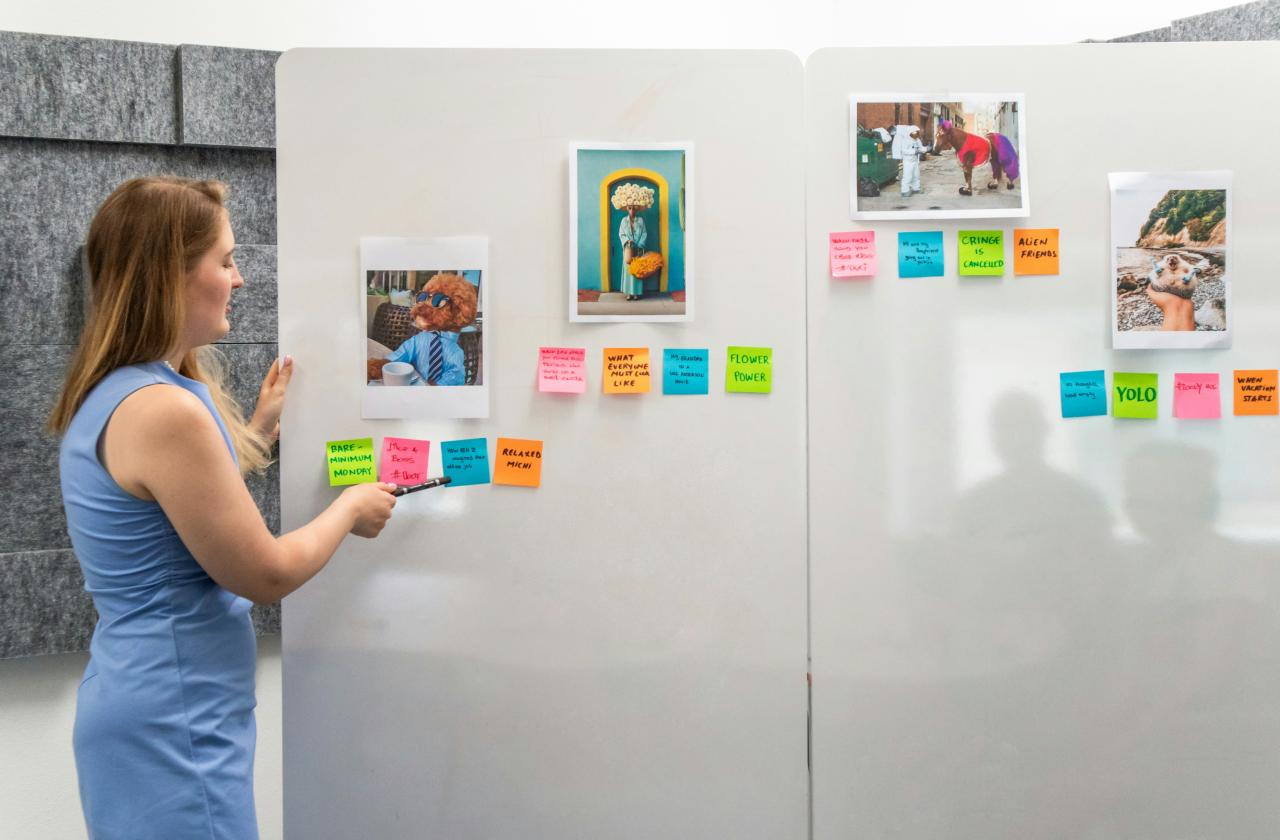
The transition from conventional thinking to institutional-grade creative orchestration is the primary driver of modern industrial disruption and personal achievement. We are currently navigating a global landscape where the ability to synthesize disparate ideas into coherent, high-value solutions is no longer a luxury but a core requirement for survival. This evolution in cognitive application requires a sophisticated understanding of neuro-associative logic, lateral thinking frameworks, and the psychological discipline needed to bypass established mental biases. For the modern visionary, mastering the mechanics of breakthrough thinking is a fundamental pillar for scaling influence and creating market-defining products in a high-velocity economy. Achieving elite status in this domain involves more than just simple brainstorming sessions; it requires a deep dive into systematic inventive thinking, rapid prototyping, and the architecture of creative flow states.
This guide is designed to deconstruct the complex layers of the modern innovative ecosystem, providing you with a masterclass in the strategies used by the world’s most successful disruptors. By focusing on the synergy between technical precision and raw imaginative power, you can transform a standard operation into a predictable engine of original thought and market leadership. Let us explore the blueprints of intellectual sovereignty and discover how to build a legacy of innovation that thrives in an era of rapid technological acceleration.
The Foundation of Strategic Creative Architecture

Building an elite innovative environment requires a structural approach to the mind. You must balance chaotic exploration with rigorous analytical filters at every stage of the process.
A. Defining First Principles and Core Assumptions
The bedrock of true innovation is the ability to strip a problem down to its most basic truths. By questioning every established assumption, you open up the possibility for radical solutions. This method prevents you from simply iterating on a competitor’s flawed design.
B. The Role of Divergent and Convergent Thinking
Elite creators understand when to expand their horizons and when to narrow their focus. Divergent thinking allows for the mass generation of possibilities without any immediate judgment. Convergent thinking then applies the cold logic needed to select the most profitable path.
C. Neuro-Plasticity and Cognitive Flexibility Training
Innovation is a physical function of the brain that can be optimized through specific mental exercises. Strengthening neural pathways between different regions allows for faster pattern recognition. This leads to more frequent breakthroughs that others might miss.
Advanced Frameworks for Systematic Invention
Creativity is often viewed as a random spark, but the most successful organizations use structure to find that spark. High-level frameworks provide a repeatable path to original ideas.
A. TRIZ Logic and Contradiction Resolution
This system focuses on solving the core contradictions within a product or service. Instead of compromising between two conflicting needs, elite innovators find ways to satisfy both. This technical cleverness often leads to the most disruptive market entries.
B. SCAMPER: The Mechanics of Modification
By systematically substituting, combining, and adapting elements, you can breathe new life into existing concepts. This framework provides a repeatable checklist for extracting hidden value. It ensures that no potential improvement is overlooked during the design phase.
C. The Architecture of Design Thinking and Empathy
True innovation must solve a human problem to be viable in the long-term market. By deeply immersing yourself in the user’s experience, you identify unmet needs. These are the gaps that raw data and spreadsheets often fail to reveal.
Cultivating High-Performance Innovation Cultures
A single creative individual is powerful, but a culture designed for innovation is an unstoppable force. You must build an environment where creativity can breathe freely.
A. Psychological Safety and Risk Tolerance
The greatest enemy of creativity is the fear of looking foolish or facing professional failure. Elite leaders create environments where experiments are treated as data points. This encourages the bold leaps needed for true industry disruption.
B. Cross-Pollination and Intellectual Diversity
Breakthroughs often occur at the intersection of entirely different industries. Bringing together engineers, artists, and economists creates a fertile ground for hybrid thinking. This diversity of thought prevents the stagnation often found in specialized silos.
C. Managing the Innovation Lab vs. Daily Operations
There must be a clear distinction between the space for experimentation and the space for execution. Successful firms protect their creative units from the rigid metrics of the core business. This allows long-term ideas the space they need to mature.
Rapid Prototyping and the Feedback Loop
In the world of innovation, speed is often more valuable than perfection in the early stages. The goal is to learn as quickly as possible from real-world interaction.
A. The Minimum Viable Concept (MVC) Strategy
Instead of building a finished product, elite creators build the smallest version that proves a core hypothesis. This allows for rapid market testing and prevents the massive waste of capital. It ensures you are building something people actually want.
B. Iterative Refinement and Failing Forward
Innovation is a cycle of constant adjustment based on actual user interaction. Each version of a product should be demonstrably better than the last. This process is fueled by user feedback rather than boardroom speculation.
C. Utilizing Intelligence Tools for Speed
Modern innovators leverage autonomous systems to explore thousands of design variations in seconds. This synergy between human intuition and machine processing is the new frontier. It allows for a scale of creativity that was previously impossible.
Mastering the Flow State for Peak Output
Achieving a state of flow allows creators to produce high-quality work in a fraction of the time. This is the zone where the ego disappears and the work takes over.
A. Identifying Personal Creative Triggers
Every individual has specific environmental or sensory triggers that signal the brain to focus. Identifying these allows you to enter a productive state on command. You no longer have to wait for inspiration to strike randomly.
B. Balancing Challenge and Skill Levels
Flow occurs when a task is difficult enough to be engaging but not so hard it causes anxiety. Adjusting the difficulty of your projects keeps you in the optimal sweet spot. This is where the most profound creative work happens.
C. Eliminating Cognitive Friction and Distractions
The creative brain requires deep focus to connect distant ideas and concepts. Removing digital interruptions and physical clutter is a technical requirement for output. A clear space leads to a clear and innovative mind.
The Art of Intellectual Synthesis
True originality often comes from combining two existing ideas in a way that creates something entirely new. This is the heart of intellectual synthesis.
A. Analogous Inspiration Across Industries
Look at how a logistics company manages its queue to solve a problem in software. Borrowing logic from unrelated fields is a primary tactic of elite disruptors. It provides a fresh perspective that insiders usually lack.
B. The Power of Combinatorial Creativity
Most new inventions are actually clever combinations of much older technologies. The smartphone, for example, combined a phone, a camera, and a computer. Understanding these building blocks allows you to build the future.
C. Deconstructing Complex Systems for Re-Assembly
Take a system apart to see how each piece functions on its own. Re-assembling them in a different order often reveals efficiencies. This process often uncovers hidden opportunities for radical improvement.
Navigating the Ethics of Innovation
As we create new technologies and methods, we must consider the long-term impact on society. Ethical innovation is the only sustainable path forward.
A. Designing for Long-Term Human Well-Being
Innovative products should improve the quality of life for the user over time. Avoid dark patterns or addictive loops that provide short-term gain. True mastery involves creating value that lasts for generations.
B. Sustainability and Circular Economy Logic
Modern creators must consider the entire lifecycle of their products. Designing for recyclability and minimal waste is now a requirement for elite status. This protects the environment while opening new avenues for efficiency.
C. Transparency and Accountability in Design
If your innovation uses data or complex algorithms, the process must be transparent. Trust is the primary currency of the modern economy. It is easily lost through unethical or secretive design practices.
Scaling Creativity through Modern Systems
Automation is not the enemy of creativity; it is the engine that allows it to scale. Delegating the mundane to the machine frees up the mind for higher thought.
A. Automating Repetitive Creative Tasks
Use software to handle formatting, data entry, and basic rendering tasks. This keeps your mental energy focused on the core big idea. It allows you to produce more without sacrificing quality.
B. Building a Personal Knowledge Management System
Use digital tools to store and organize your various inspirations. A well-organized second brain allows you to retrieve ideas from years ago. This ensures that no spark of genius is ever lost to time.
C. Leveraging Generative Systems for Brainstorming
Machine intelligence can serve as a tireless brainstorming partner for the human mind. Use it to generate hundreds of variations on a central theme. Then, use your human judgment to select the absolute best one.
The Geography of Creative Thought
Where you are and who you are with can drastically impact your ability to innovate. Environment is a silent architect of your creative success.
A. Designing an Optimal Workspace for Discovery
Your physical surroundings should inspire curiosity and allow for deep, quiet work. Incorporate natural light and flexible zones for different types of thinking. A well-designed office is a tool for innovation.
B. The Power of Creative Communities and Hubs
Being around other high-level thinkers creates a natural pressure to excel. Seek out environments where people are solving problems more difficult than your own. This social friction polishes your ideas into gems.
C. Managing Remote Collaboration and Digital Synergy
Innovation in the digital age requires the ability to brainstorm across distances. Use tools that allow for visual collaboration and real-time co-creation. Distance should never be a barrier to a great partnership.
Overcoming Innovation Stagnation
Every creative process eventually hits a plateau where ideas stop flowing. Knowing how to break through these walls is what separates the elite from the amateur.
A. Strategic Incubation and Step-Back Techniques
Sometimes the best way to solve a problem is to stop thinking about it. Taking a break allows the subconscious mind to work on the solution. This often results in a sudden flash of insight later on.
B. Using Constraints to Drive Creative Solutions
Unlimited resources can actually stifle innovation by removing the need for cleverness. Setting artificial limits on time or money forces you to think more deeply. Constraints are the ultimate catalyst for creative breakthroughs.
C. Reframing the Problem to Find New Angles
If you are stuck, you might be asking the wrong question entirely. Changing the wording of your problem can reveal a path you never noticed. A new perspective is often worth more than a new piece of technology.
The Role of Narrative in Innovation
An idea is only valuable if you can convince others to believe in it. Storytelling is a vital skill for any high-level innovator.
A. Crafting a Compelling Vision for the Future
You must be able to describe not just what your innovation is, but why it matters. A strong narrative inspires your team and attracts the necessary investment. Paint a picture of a better world that your idea creates.
B. Using Analogies to Explain Complex Concepts
Elite creators can explain a complex technical breakthrough to anyone. Using simple analogies makes your ideas accessible and memorable. If people can’t understand your idea, they can’t support it.
C. Building a Brand Around Innovation and Trust
Your history of successful disruption becomes part of your market value. Consistently delivering original solutions builds a reputation for excellence. A trusted brand is the best foundation for launching a new idea.
Future-Proofing Your Creative Career
The world is changing faster than ever, and your methods must evolve to stay relevant. Adaptation is the only way to maintain your elite status.
A. Continuous Skill Acquisition and Lifelong Learning
Treat your education as an ongoing project that never truly ends. Learn a new language, a new software, or a new scientific theory every year. This keeps your mental toolkit sharp and ready for any challenge.
B. Monitoring Global Trends and Emerging Technologies
Stay informed about the shifts in the market long before they become mainstream. Anticipating the future allows you to build solutions for problems that haven’t arrived yet. Proactive innovation is always more profitable than reactive iteration.
C. Building a Resilient Network of Global Experts
The best innovators are connected to a wide variety of specialists. Your network is your safety net and your source of fresh information. Invest in relationships with people who think differently than you do.
Conclusion

Elite strategic innovation and creative mastery are the primary keys to professional sovereignty. This journey requires a disciplined balance of wild imagination and cold analytical execution. Every visionary must take full responsibility for the governance of their own intellectual assets. The ability to innovate offers a revolutionary way to create value without relying on traditional cycles. Systemic complexity should be embraced as the mechanism that creates a competitive advantage. A successful innovative engine is built on a foundation of psychological safety and rigorous testing.
Continuous learning is the only way to keep pace with the rapid innovation of global technology. Emotional discipline is more important than technical skill when navigating the uncertainty of new ideas. Rigorous prototyping ensures that the breakthroughs you build today remain permanent market assets. The shift toward a creative-driven economy is an unstoppable force that will redefine global industry. By following these elite strategies, you position yourself on the right side of the intellectual revolution. Creativity is not just about art but about the freedom that comes from solving complex human problems.
The blueprints provided here are your roadmap to navigating the complex world of the inventive mind. Focus on the logic, ignore the superficial trends, and stay committed to your long-term creative vision. True intellectual sovereignty is the ultimate goal of every elite architect in the innovation space. The future of the world is creative, bold, and ready for those who are brave enough to build it. The road to prosperity is paved with imagination and the courage to think what no one else has thought.